Basic Pottery Tools for Wheel Throwing
One of the most exciting parts of learning wheel throwing is discovering the tools that help transform a lump of clay into a functional or sculptural ceramic piece. While hands remain the most important “tool” in pottery, a handful of basic pottery tools can greatly improve control, efficiency, comfort, and finishing quality.
At Atacama Clay Studio, we often remind students that tools are meant to support the process — not replace learning foundational hand skills. Below are some of the most common and useful wheel throwing tools beginners and intermediate potters will encounter in the studio.

One of the most exciting parts of learning wheel throwing is discovering the tools that help transform a lump of clay into a functional or sculptural ceramic piece. While hands remain the most important “tool” in pottery, a handful of basic pottery tools can greatly improve control, efficiency, comfort, and finishing quality.
At Atacama Clay Studio, we often remind students that tools are meant to support the process — not replace learning foundational hand skills. Below are some of the most common and useful wheel throwing tools beginners and intermediate potters will encounter in the studio.
Sponge
Why Use a Sponge When Making Pottery? The sponge helps control water while throwing. Water reduces friction between your hands and the clay, allowing smoother movement and shaping.
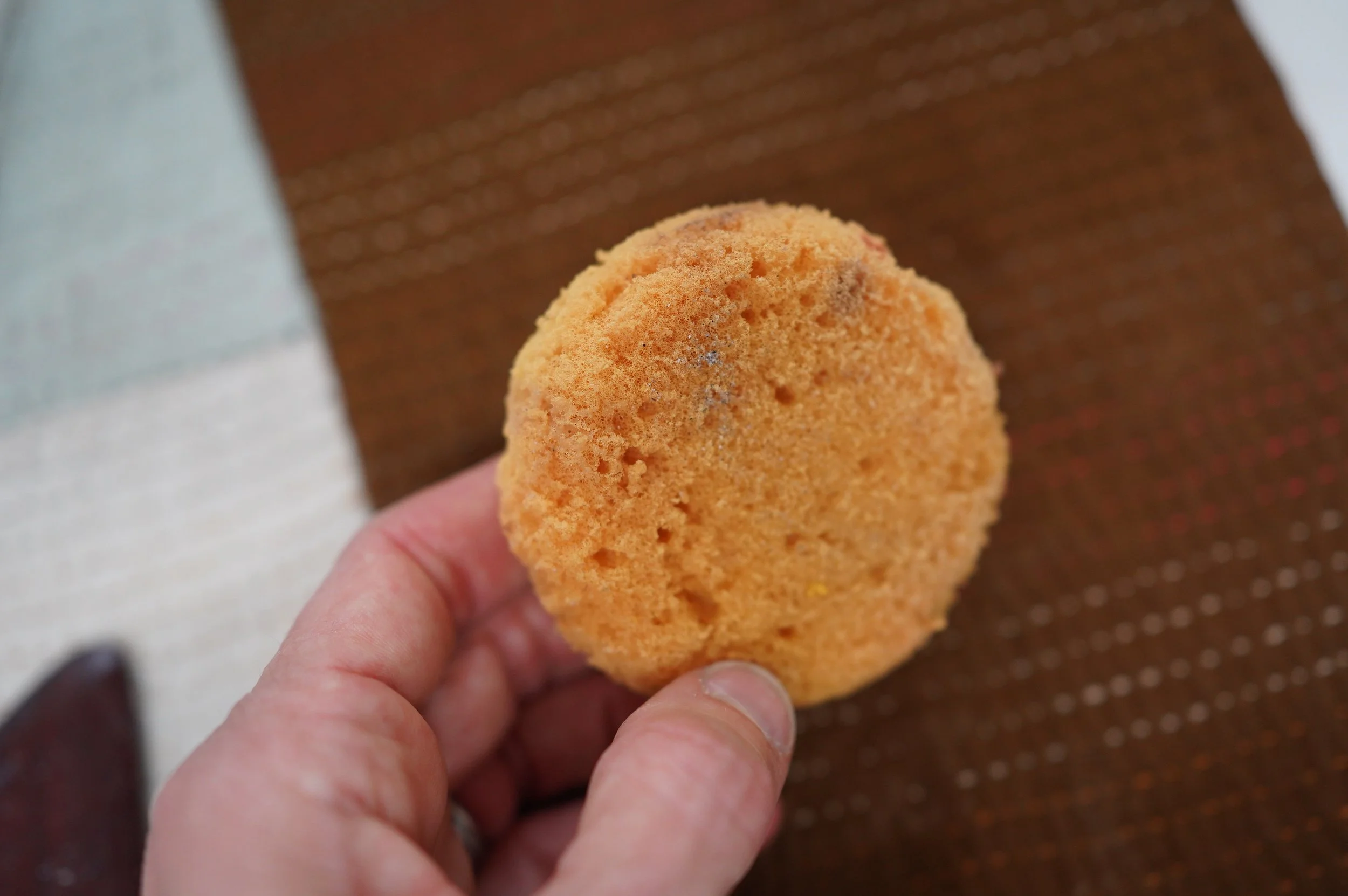
Recommended Use
Wetting clay during centering and pulling
Cleaning excess slip from the wheel
Compressing rims gently
Maintaining moisture while throwing
Tip: Too much water can weaken clay walls, so use intentionally.
Metal & Wooden Ribs
Ribs help shape, compress, and smooth clay surfaces while strengthening the form and Metal ribs provide sharper shaping and smoother finishing than wood ribs.
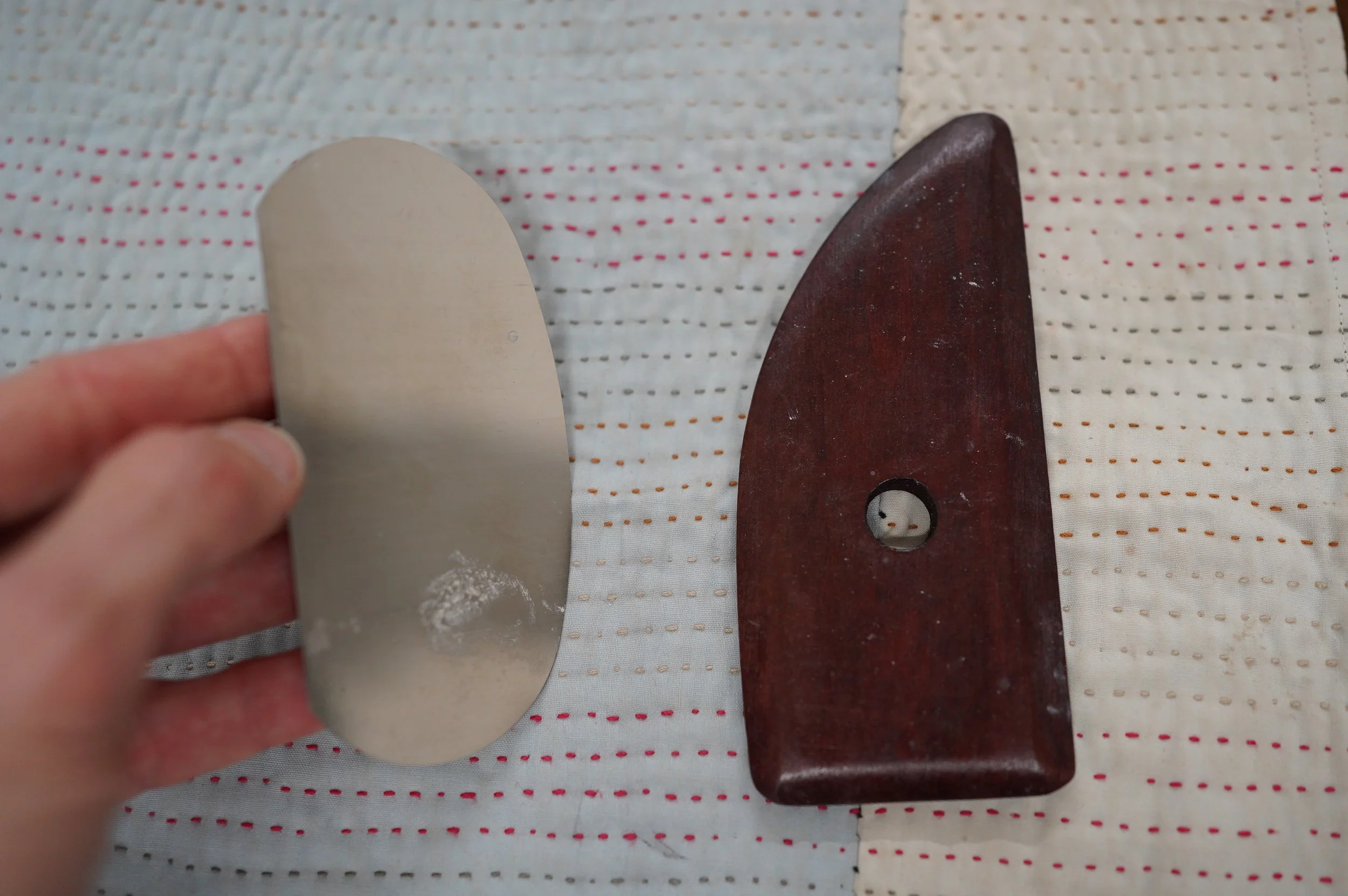
Recommended Use
Creating smooth surfaces
Refining curves on bowls
Compressing clay for strength
Removing throwing lines
Note: Metal ribs are commonly used during later shaping stages.
Needle Tool
A needle tool is a simple but extremely versatile studio tool, essential for measuring, trimming, piercing, and cutting clay.
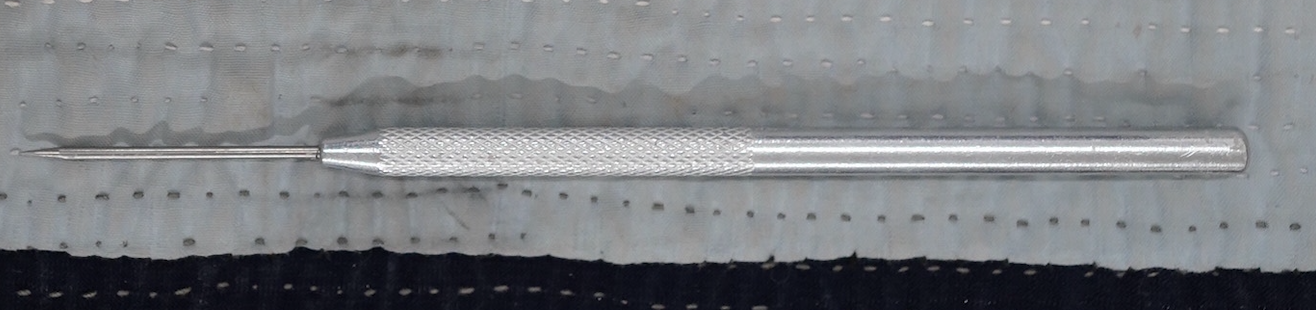
Recommended Use
Checking wall thickness
Cutting clay off the wheel
Scoring surfaces for attachments
Trimming rims evenly
Wire Cutter
The wire cutter separates clay from surfaces and cuts large amounts of clay cleanly. Every potter uses this tool constantly.

Recommended Use
Removing finished pieces from bats/wheel heads
Cutting blocks of clay
Dividing clay portions before throwing
Loop / Trimming Tools
These tools remove excess clay once pieces become leather hard.
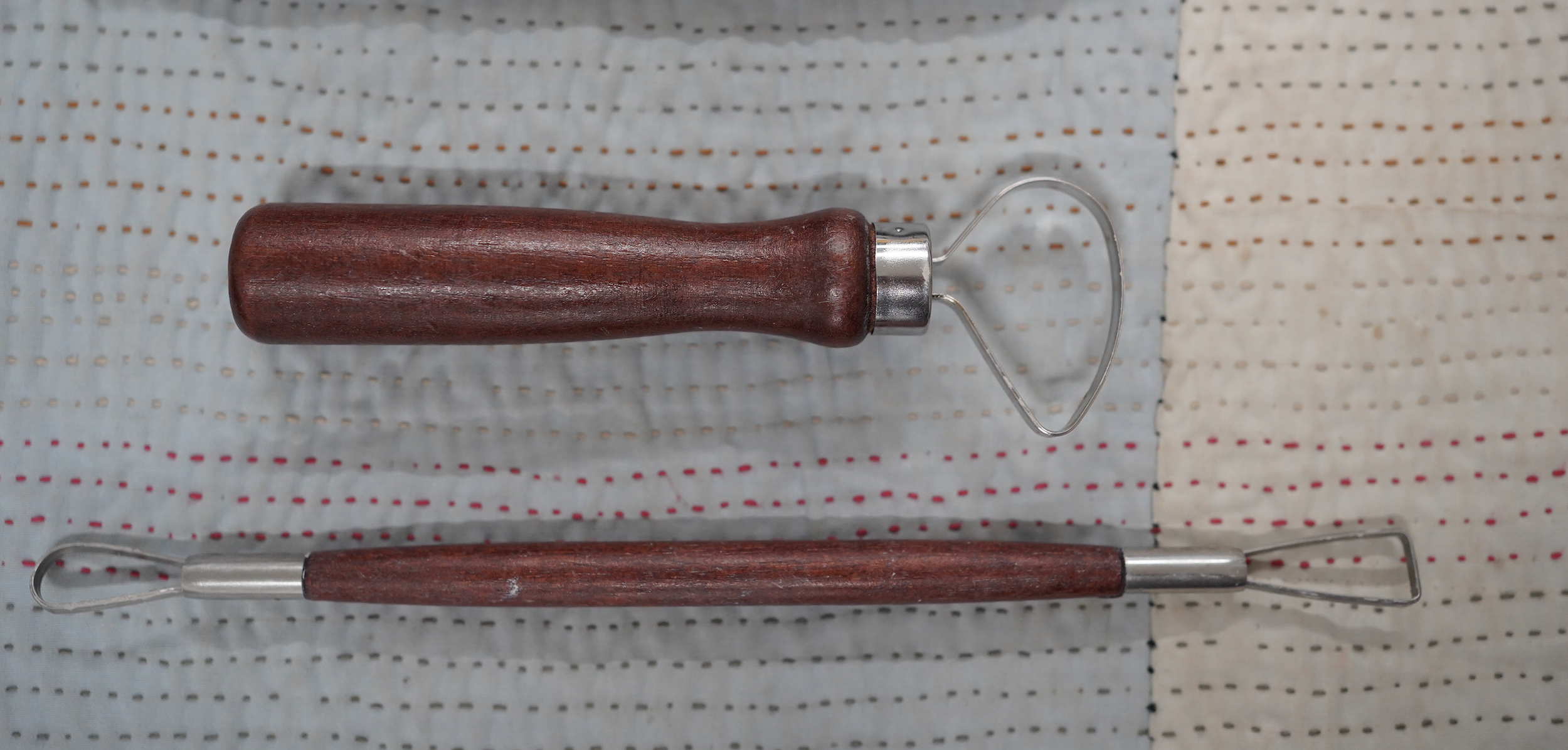
Recommended Use
Trimming foot rings
Refining bases
Reducing excess weight
Cleaning uneven forms
Fettling Knife
A flexible knife useful for cutting, shaping, and cleaning edges.

Recommended Use
Cutting slabs
Trimming excess clay
Cleaning rims and bases
Studio utility work
Think of it as a general-purpose clay knife.
Chamois
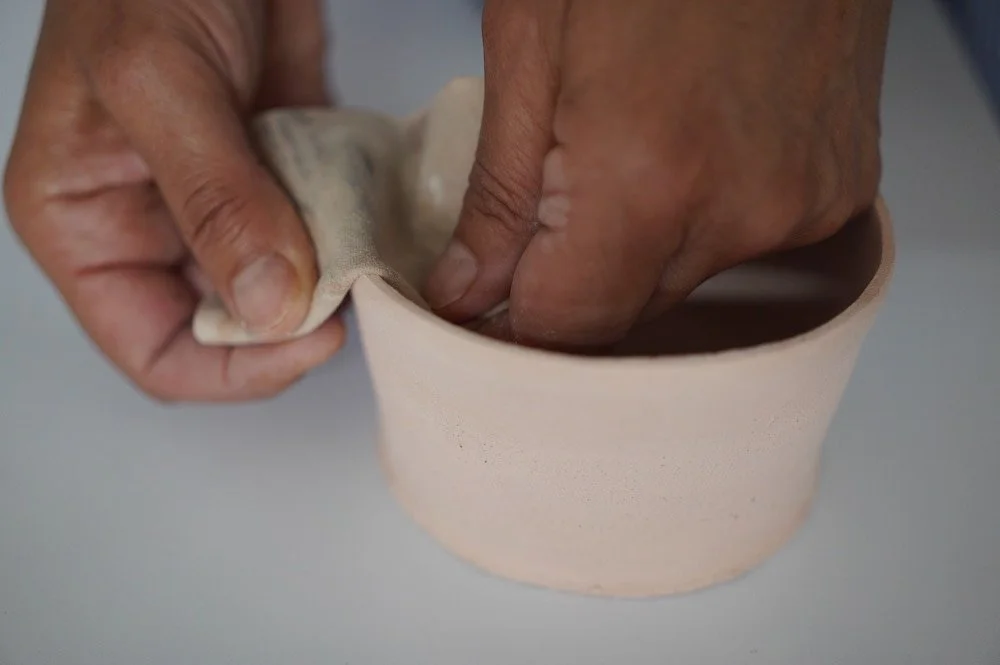
A chamois creates smooth, compressed rims and refined edges.
Recommended Use
Compressing mug or bowl rims
Smoothing lip edges
Final finishing touches
Especially useful for functional pottery.
Bats
A flat surface that attaches to a potter’s wheel, a bat allows potters to remove freshly thrown pieces without distorting them.

Recommended Use
Throwing larger forms
Transporting soft work
Working efficiently during classes
Plastic and wood bats are both common studio options.
Apron & Towels
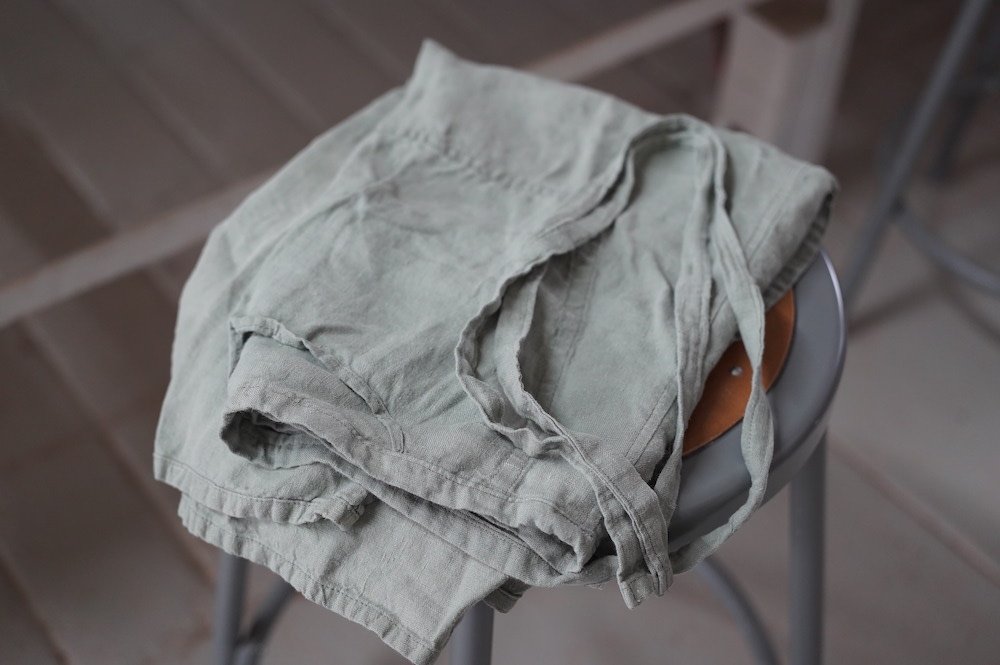
Pottery is messy. Comfortable studio setup matters.
Recommended Use
Keeping clothing manageable
Maintaining clean hands/tools
Creating an organized workflow
A prepared potter usually has a better throwing experience.
Final Thoughts
Pottery tools are extensions of the hand. Over time, each ceramicist develops personal preferences, favorite ribs, trimming tools, and studio habits.
For beginners, it is important not to become overwhelmed by tools. A simple toolkit combined with patience, repetition, and observation is more than enough to begin developing strong wheel throwing skills.
At Atacama Clay Studio, we encourage students to focus first on touch, movement, and understanding clay itself, the tools simply help support that relationship.
